01
Garden estates and greenhouse venues
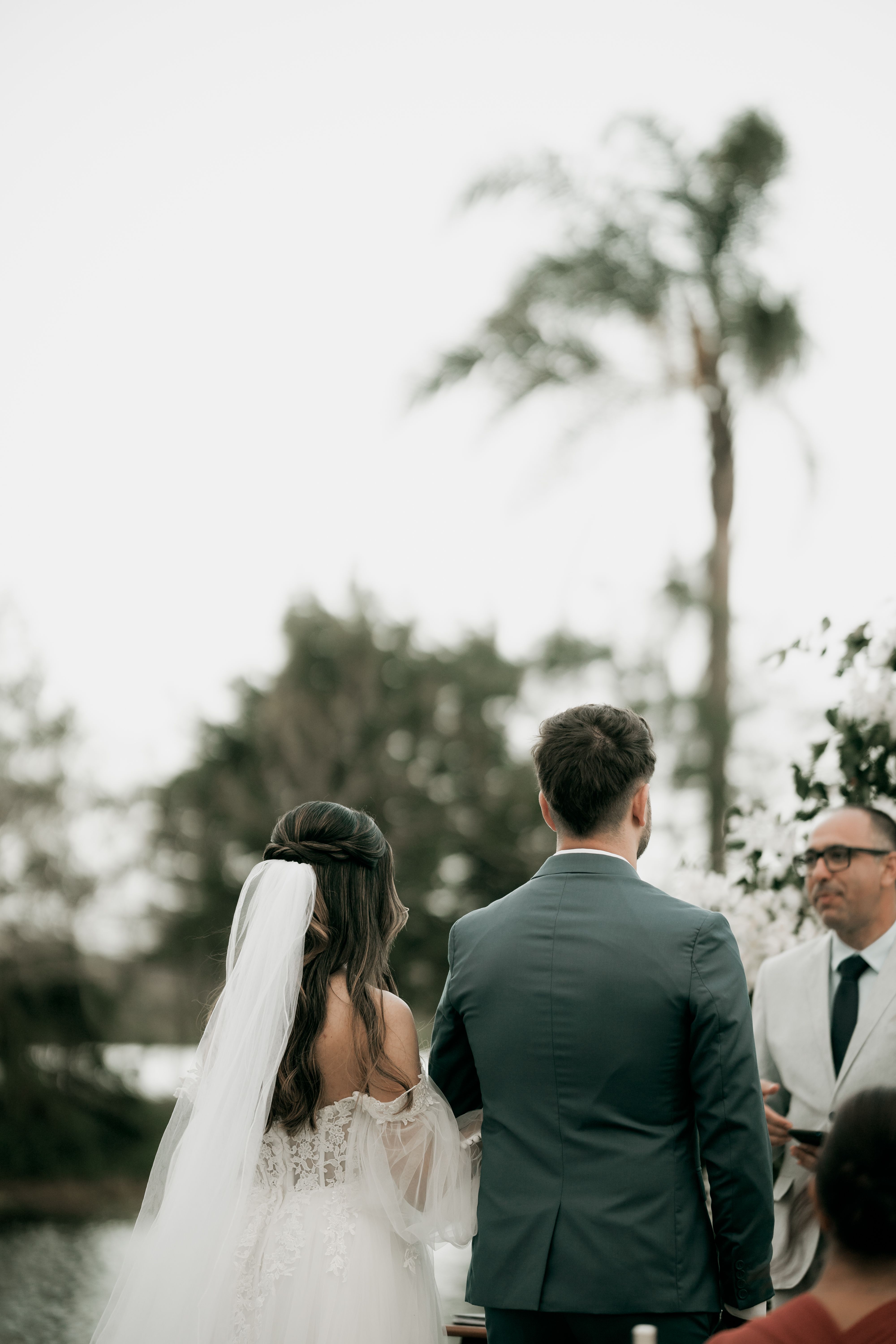
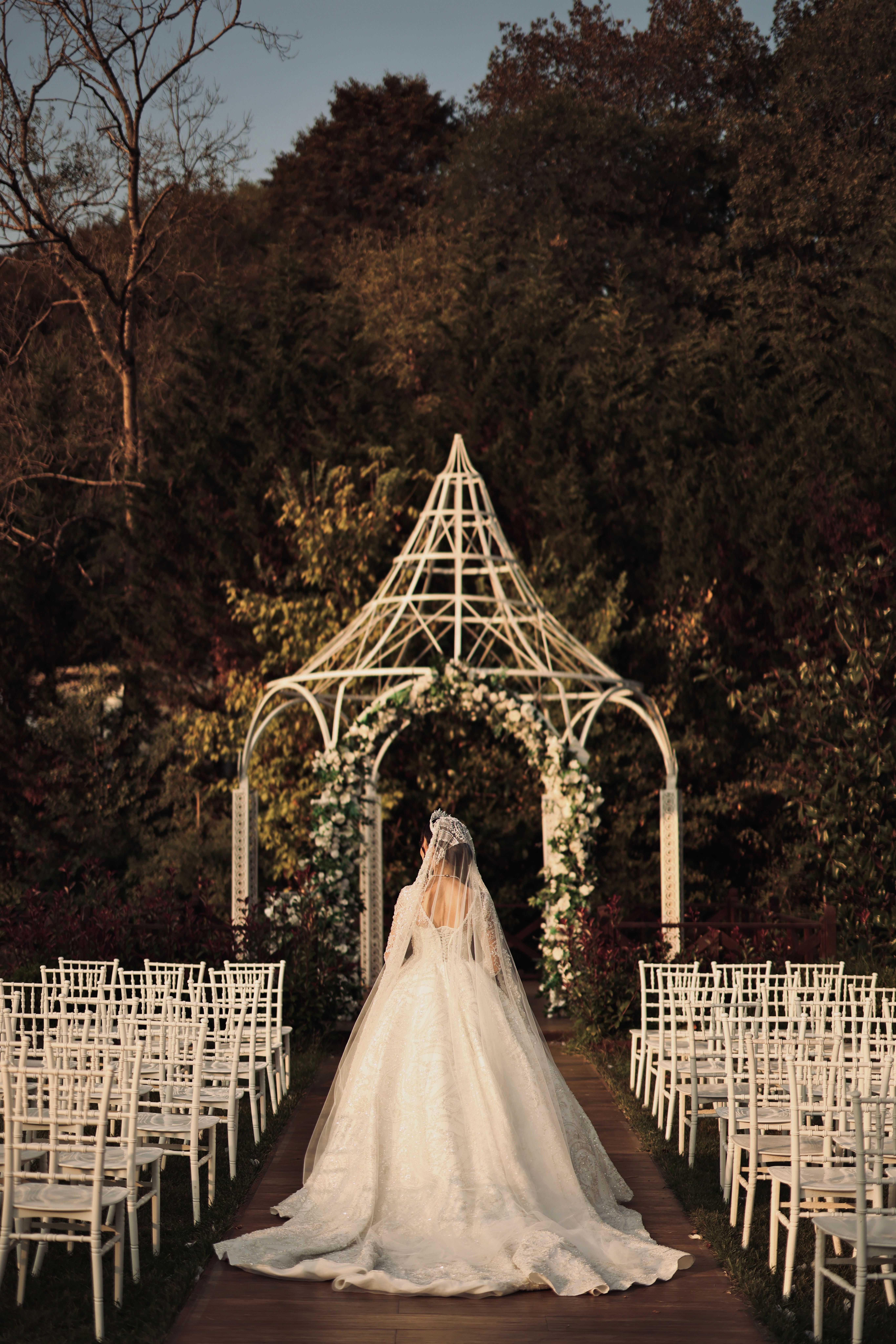
Gardens, conservatories, orchards, and landscaped estates create a sense of occasion before a single rental arrives. They offer natural color, movement, and a ceremony backdrop that changes with the light.
The appeal is not only visual. Guests can move between ceremony, cocktails, dinner, and dancing without every part of the day occupying the same room. Ask about a weather plan, seasonal landscaping, accessibility, insects, and the exact hour amplified music must end.
02
Full-weekend properties
More couples are looking beyond a six-hour ballroom rental toward inns, camps, lodges, and private properties where their closest people can stay together. A welcome dinner, slow wedding morning, afterparty, and next-day brunch become part of one continuous celebration.
This format works especially well for destination weddings and spread-out families, but it requires clarity. Confirm lodging capacity, quiet hours, transportation, cleaning, food service, and which gatherings are included in the property fee.
03
Restaurants and intimate dining rooms
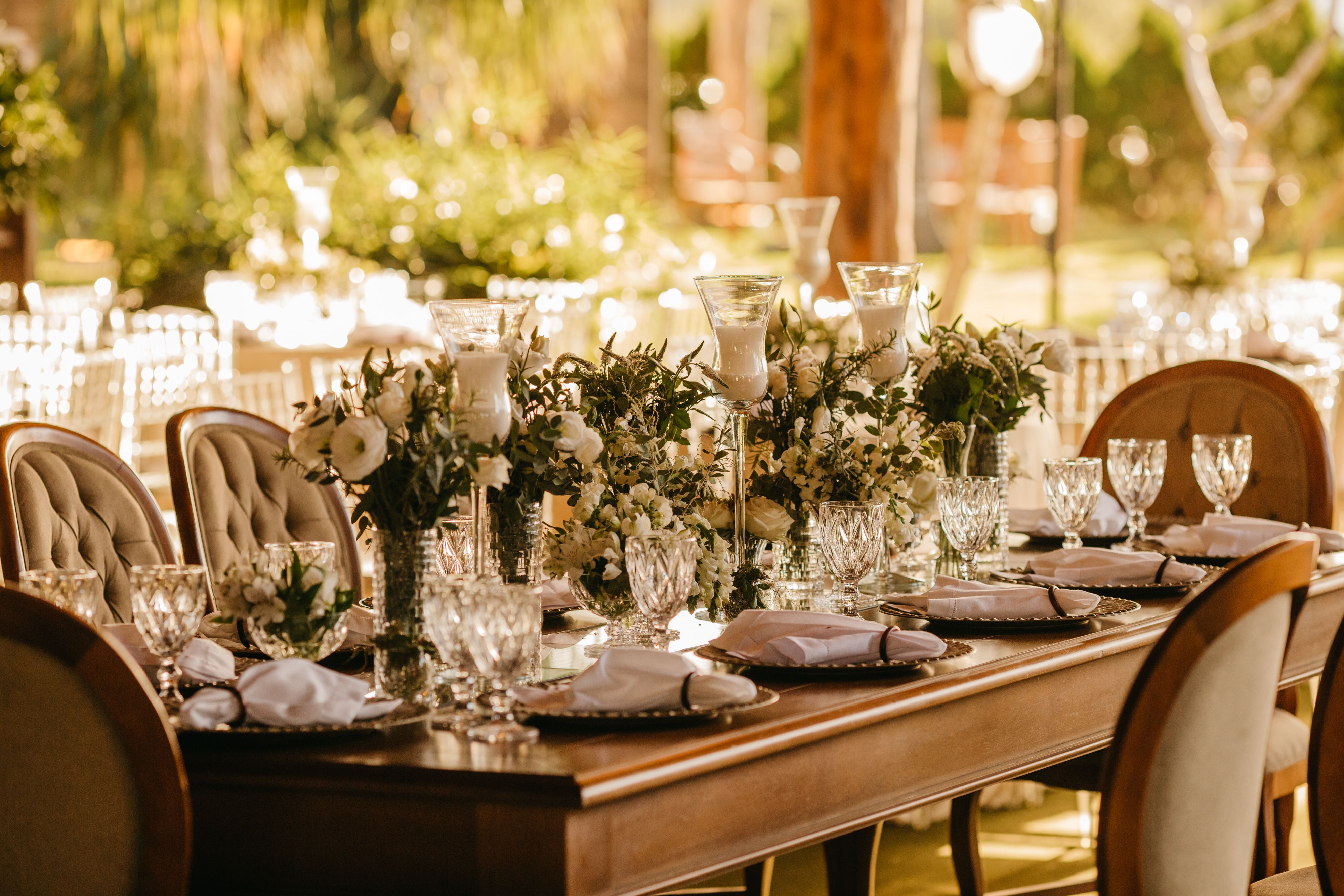
For smaller guest lists, a favorite restaurant can deliver what many blank venues cannot: proven hospitality, thoughtful food, experienced staff, and an atmosphere that already feels finished.
Private dining rooms, courtyard restaurants, and complete buyouts suit couples who would rather invest in the meal than build an event space from scratch. Ask whether the minimum includes food and beverage, how the room handles dancing, and whether a ceremony can happen on site.
04
Industrial spaces with warmth
Lofts, restored factories, and warehouse venues remain popular, but the cold, empty-room version is giving way to spaces with texture: brick, wood, windows, plants, and layered lighting.
These venues offer freedom, especially for couples with a strong creative team. That freedom can also mean bringing in every chair, fork, light, and staff member. Price the complete transformation before assuming a raw space will be less expensive.
05
Indoor-outdoor flexibility
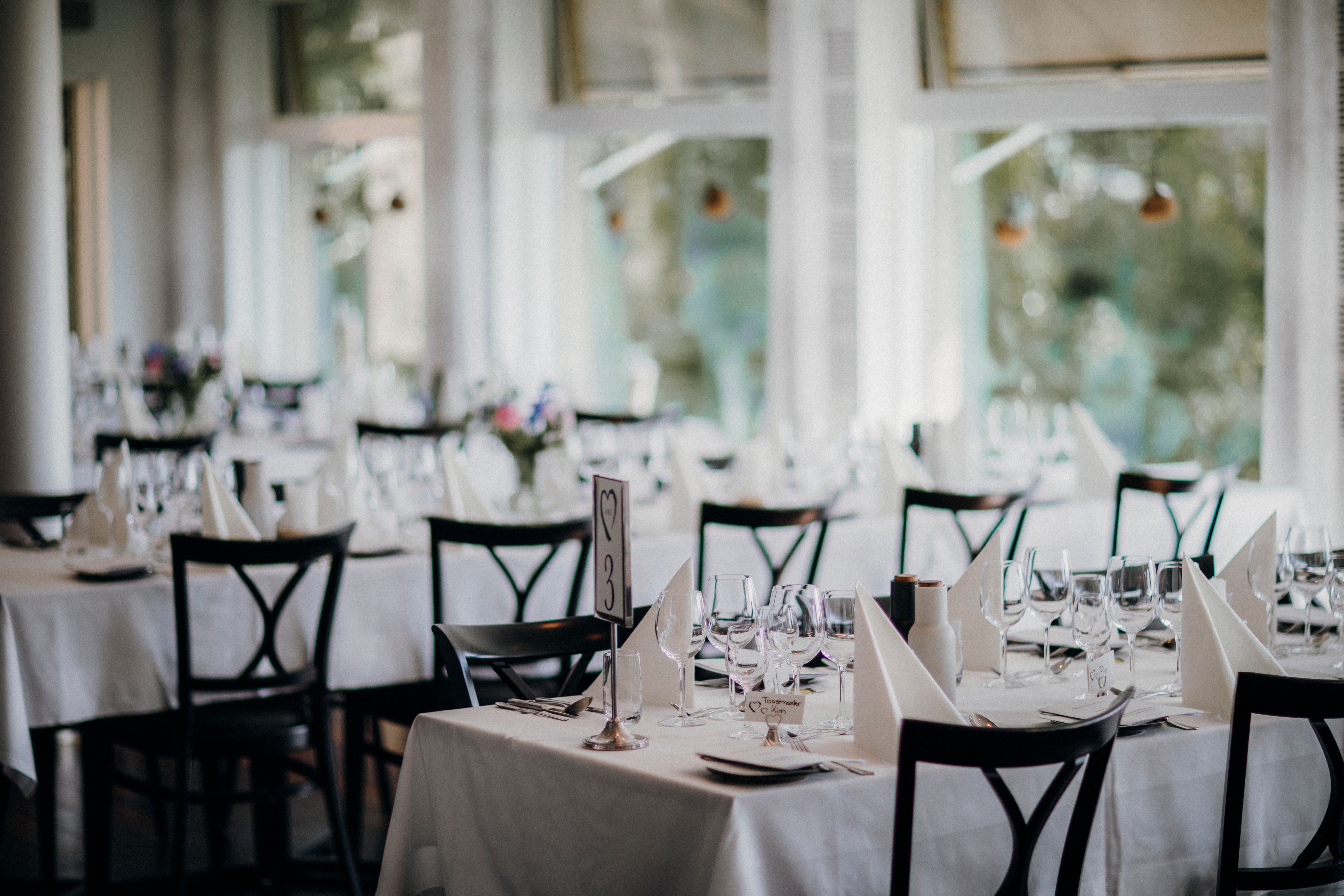
A venue that can shift naturally between inside and outside is valuable in any season. Covered terraces, connected courtyards, wide doors, and separate rooms make weather changes feel like part of the plan instead of an emergency.
Walk the rain plan with the same attention you give the ideal plan. If you would be disappointed to hold the entire wedding in the backup space, the venue may not be the right fit.
06
Spaces that allow the celebration to move
Couples are building days with distinct moods: a quiet ceremony, relaxed cocktail hour, intimate dinner, then a louder late-night room. A venue with multiple usable areas makes those transitions feel effortless and gives guests a reason to stay curious.
It also creates richer memories. A camera passed between friends can travel from the getting-ready room to brunch the next morning, capturing the full weekend rather than one fixed angle on one formal timeline.
07
A beautiful Instagram is not enough
Ask about parking, bathrooms, accessibility, vendor rules, power, air conditioning, noise limits, and how everyone gets around after dark. None of that is sexy. All of it matters.
The best venue makes your day easier. If you have to fight the building at every step just to get one great ceremony photo, keep looking.