

01
Give everyone a clear arrival
Confusion creates stress before the celebration begins. Share the exact address, parking or shuttle plan, ceremony start time, dress guidance, and any walking or outdoor conditions guests should expect.
At the venue, simple signs and one visible person who can answer questions are enough. Guests should not have to guess which door to use or whether they are in the right place.
02
Avoid long, unexplained gaps
A timeline can include breathing room without leaving guests stranded. If the couple is taking portraits, give everyone a comfortable cocktail area, drinks, small bites, music, and a clear sense of when dinner begins.
Transitions matter as much as the headline moments. The less often guests wonder what they are supposed to do, the more present they can be.

03
Make food and drinks easy to access
People remember whether there was enough food, whether it arrived on time, and whether they could get water without standing in a long bar line. They rarely remember the number of passed appetizers.
Plan for dietary needs, display what is being served, offer appealing nonalcoholic choices, and make sure late-night food appears while people are still hungry enough to enjoy it.
04
Make people physically comfortable
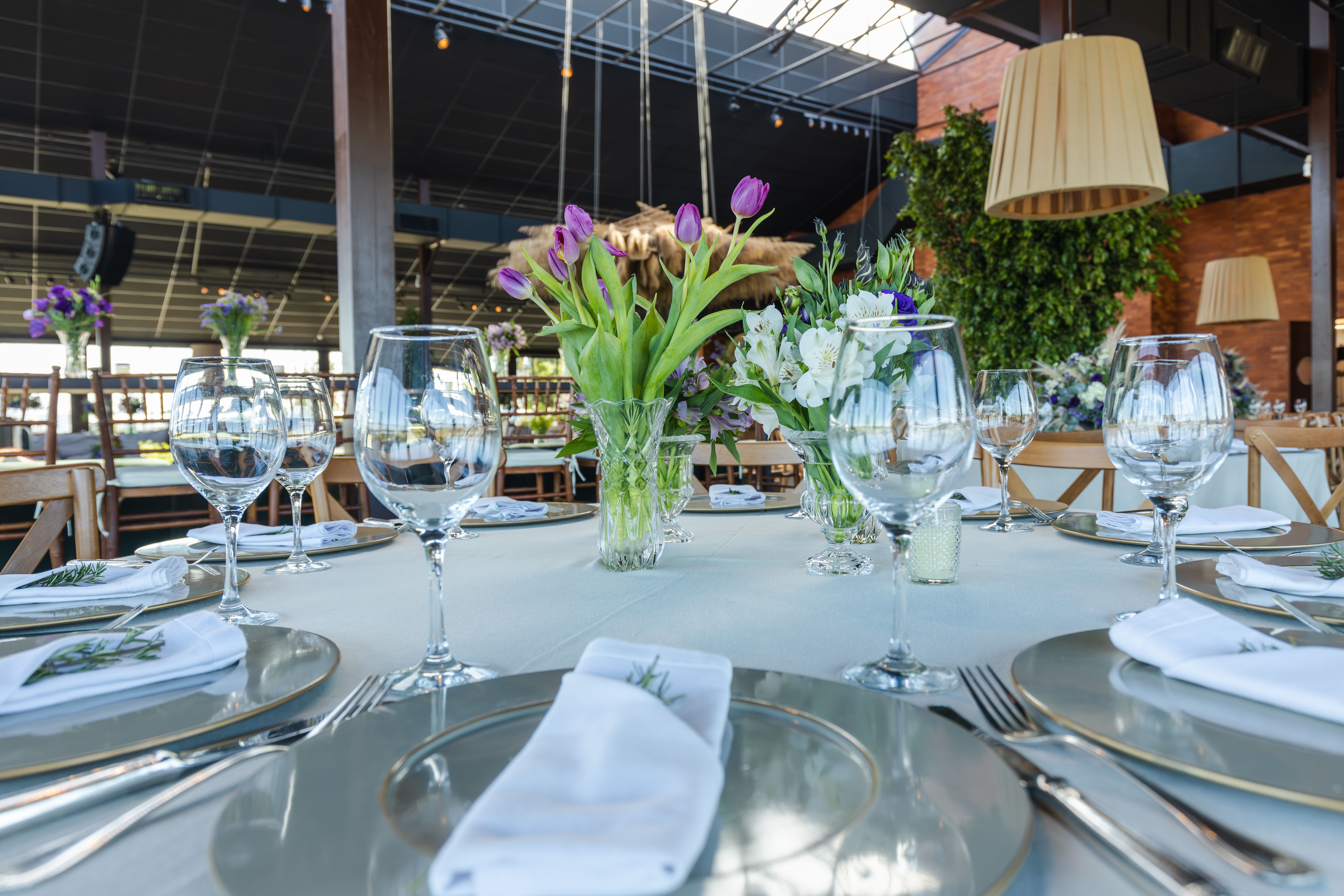
Think about shade, temperature, chairs, bathrooms, walking distance, and accessibility. The prettiest outdoor ceremony in the world is still rough if Grandma cannot get there and everybody is staring into the sun.
This stuff is not glamorous, but your guests will absolutely notice when you get it right.
05
Let guests hear and see the important moments
Good audio changes a ceremony and reception. Guests want to hear the vows, understand the officiant, and follow the toast without straining. Ask the venue or entertainment team how microphones and speakers will work in every space.
Check sightlines, too. A ceremony backdrop is only useful if columns, arrangements, or rows of standing phones are not blocking half the room.
06
Create one genuinely personal moment
A family recipe, handwritten welcome note, favorite local dessert, meaningful song, or short story in the ceremony can land more deeply than an elaborate entertainment installation.
Personal does not mean private or complicated. It means giving guests a small window into why this celebration could only belong to the two of you.
07
Invite participation without assigning jobs
Photo booths, audio guest books, shared playlists, disposable cameras, and guest-filmed video can work because people choose when to join. Keep the instructions short and the activity easy to find.
A Happily Captured camera can move naturally through the group for messages, dancing, and the moments happening away from the formal coverage. The goal is participation, not turning friends into a production crew.
08
End the night with a clear plan
Tell guests when transportation leaves, where the afterparty is, whether food is available, and how they will retrieve belongings. If the ending is flexible, give at least one reliable anchor.
A graceful exit does not need sparklers or a staged tunnel. It needs enough information for everyone to leave safely, happily, and still talking about the night on the ride home.