

01
First: define the wedding before shopping
Before contacting vendors, agree on a working budget, approximate guest count, preferred region, and two or three priorities. You do not need a theme. You need enough direction to recognize what fits.
A 60-person restaurant dinner and a 220-person estate wedding require different venues, teams, and timelines. Defining the broad shape prevents you from falling in love with options that cannot support it.
02
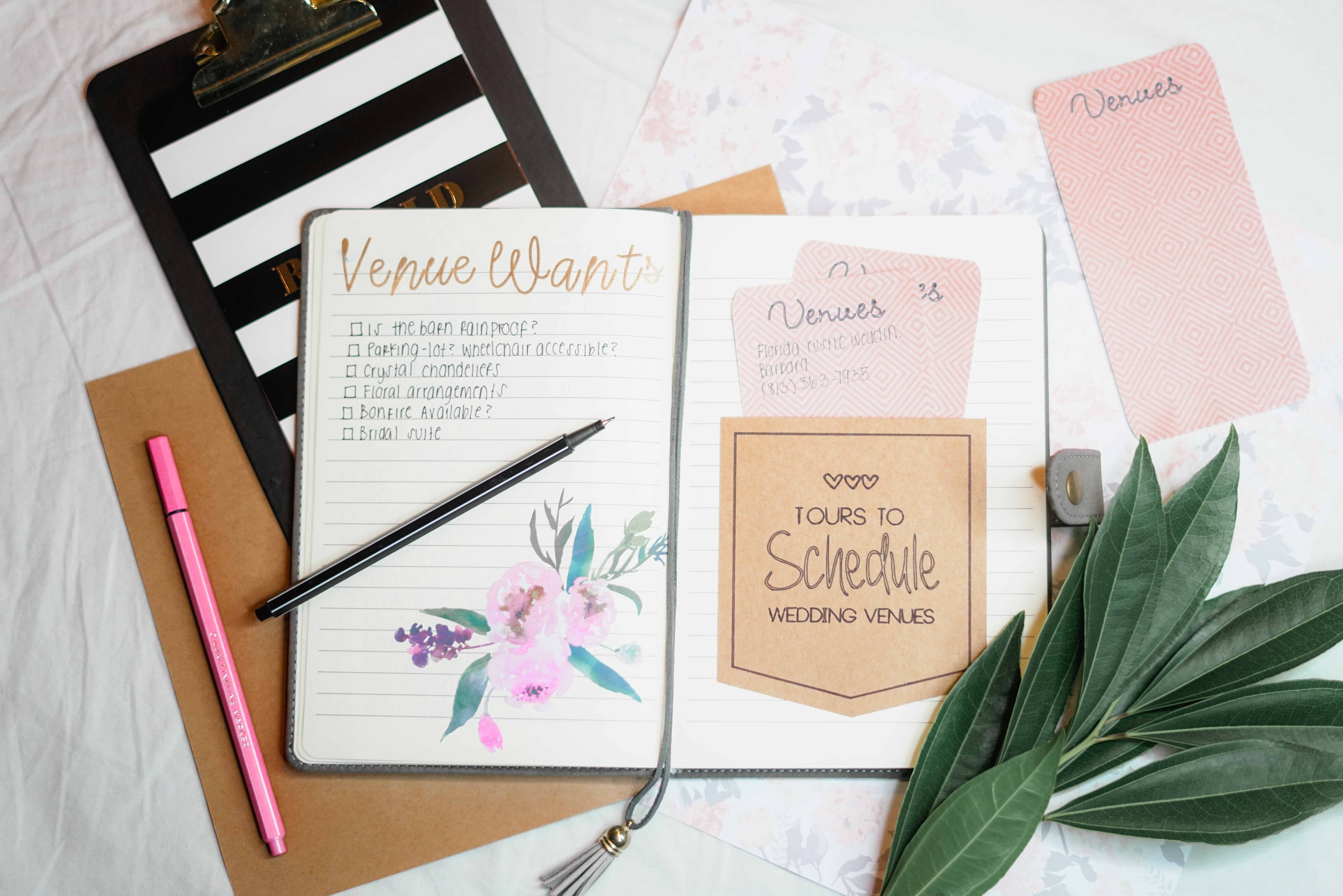
Book the venue and date
The venue establishes your capacity, geography, season, aesthetic, and many logistical rules. Once the contract is signed, every other vendor can respond to a real place and date.
If you are flexible, ask venues to share several available dates before committing. Confirm what is included, the rain plan, payment schedule, required vendors, end time, accessibility, and every restriction in writing.
03
Decide whether you want a planner
A full-service planner is most useful before major contracts are signed. They can shape the budget, recommend a venue, build the team, and catch logistical conflicts while there is still room to change them.
If full planning is not the right fit, consider partial planning or coordination. Just be clear about when that person begins, what they will manage, and who owns decisions before their service window starts.
04
Secure limited-capacity creative vendors
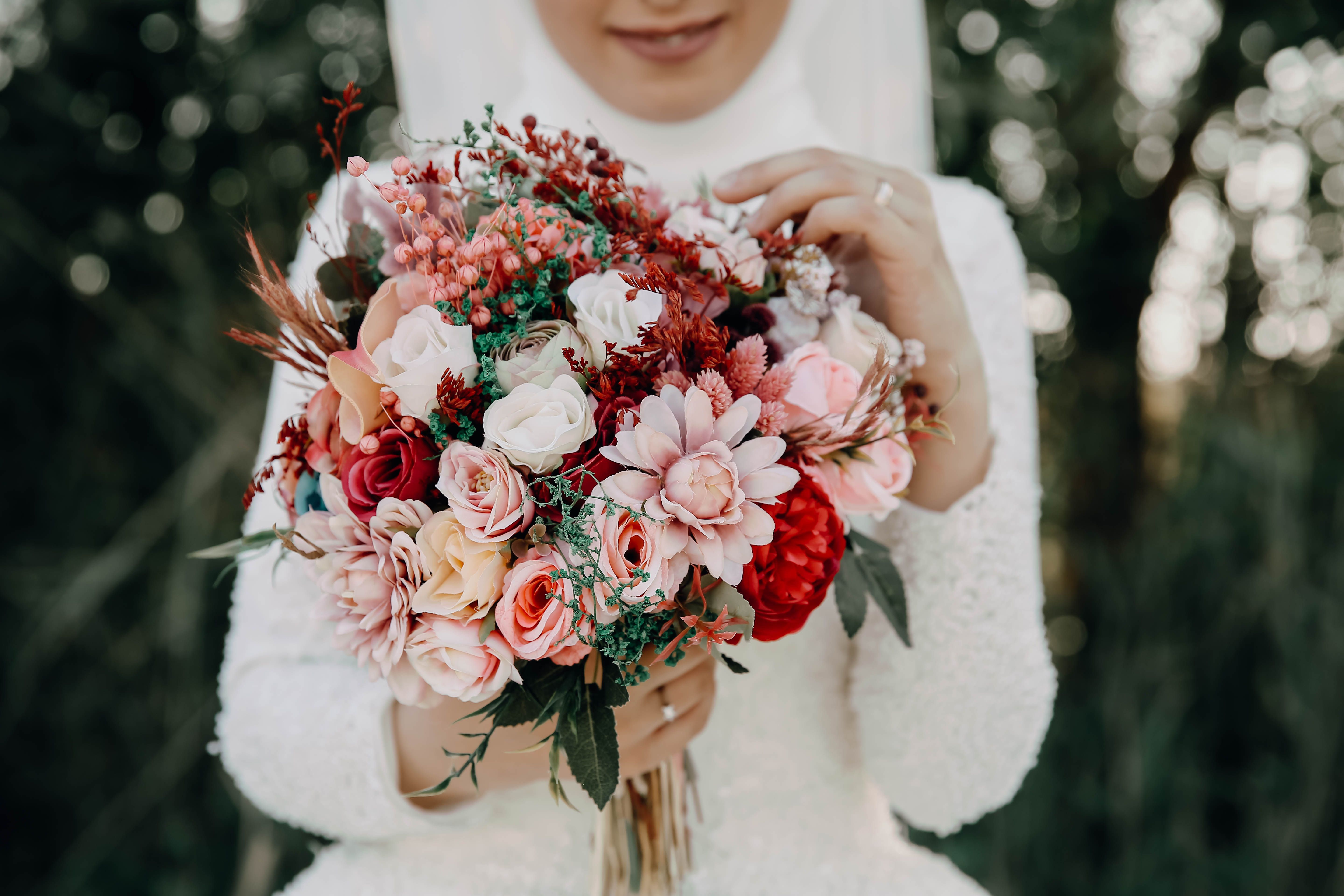
Photographers, videographers, bands, DJs, and certain caterers can accept only one wedding per date. If their style or personality matters deeply to you, contact them after the venue rather than waiting until every detail is chosen.
Look beyond a highlight reel. Review full work, understand the deliverables, ask how backup plans work, and choose people you trust to make decisions under pressure.
05
Build the operational team
Catering, rentals, transportation, lodging blocks, ceremony support, and production affect whether the day can function. Their order depends on what the venue provides and what your guest count requires.
Make these decisions before buying decorative pieces. A beautiful table concept is not useful until you know the table size, meal format, room layout, rental access, and setup schedule.
06
Then choose attire, flowers, and stationery
Once the date, venue, and overall formality are clear, attire and design choices have useful context. Allow enough time for ordering and alterations, but do not feel pressured to select every accessory at once.
Florists and stationers can translate a direction into a cohesive plan. Bring your budget and priorities; you do not need to arrive with a finished mood board.
07
Choose how the memories will be captured
Formal photo and video teams are date-limited and should be booked early. Flexible options can fill a different role: an audio guest book, content creator, disposable cameras, or a camera guests pass around during the weekend.
If you choose Happily Captured Films, the kit is shipped before the celebration and the footage is professionally edited afterward. It can replace traditional video for some couples or add a candid inside perspective alongside it.
08
Yes, the little stuff can wait
Favors, signs, fancy linens, welcome-bag extras, photo props, and tiny decorations can all wait. Half of them are optional anyway.
Save some money and energy for the final months, when the real deadlines show up. Do not spend February designing a sign for a table you might not even have in October.