
01
Choose three priorities before choosing vendors
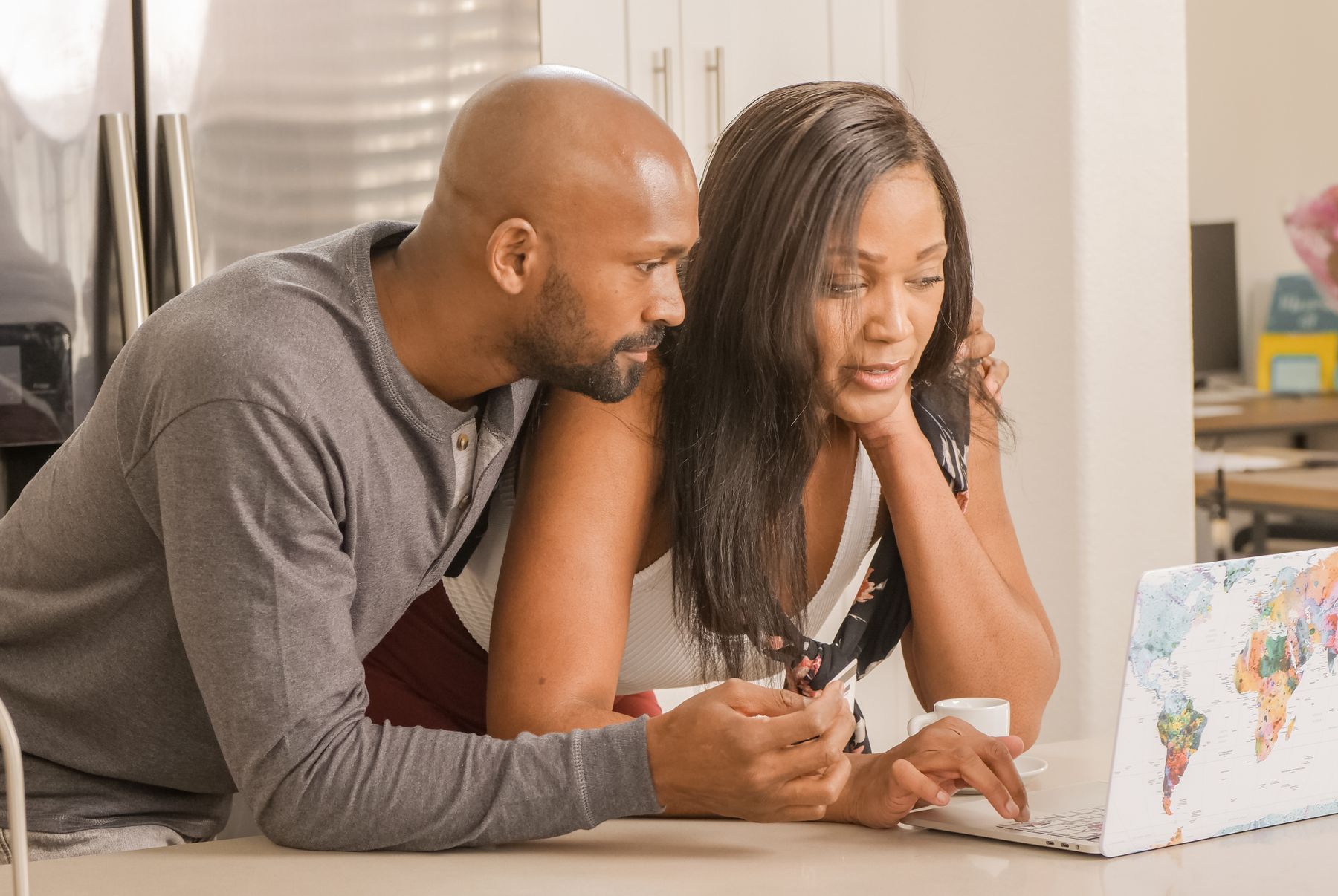
Write down the three parts of the wedding you care about most. They might be food, photography, live music, flowers, a relaxed weekend, or having everyone you love in one room. Those priorities become the filter for every quote and upgrade.
A budget feels restrictive when every category is treated as equally important. It becomes useful when it gives you permission to spend confidently on the things that matter and simplify the things that do not.
02
Build the guest list with intention
Guest count affects far more than catering. It changes the venue, rentals, tables, centerpieces, invitations, transportation, staffing, favors, and sometimes the number of bars or restrooms required.
You do not need an extremely small wedding to save money. You do need a list made from real relationships rather than obligation. Decide on a clear rule together—then apply it consistently.
03
Compare complete venue costs
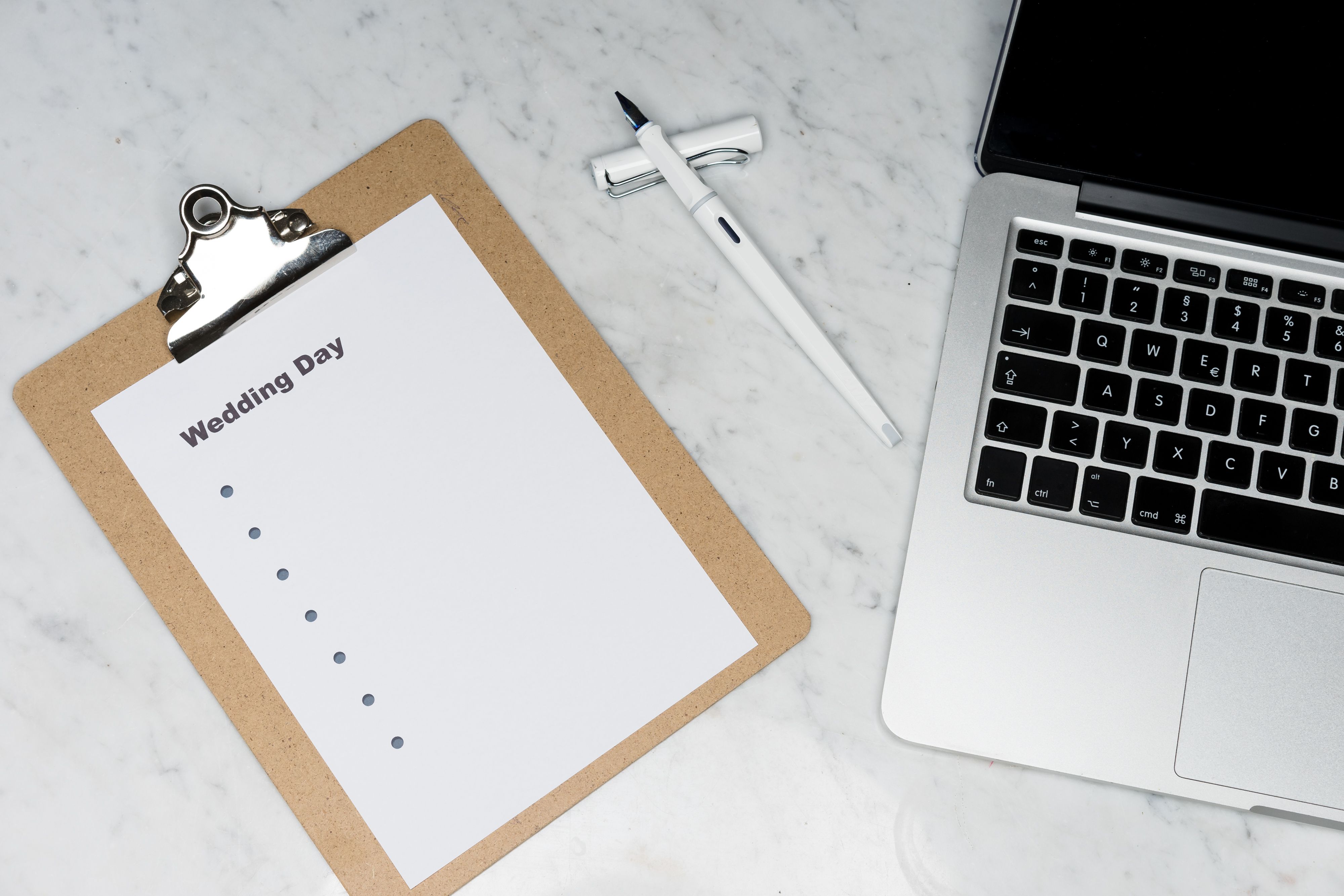
A venue with a higher rental fee can cost less overall if it includes tables, chairs, staff, linens, lighting, parking, and a workable rain plan. A blank space may look affordable until delivery, setup, power, bathrooms, and cleanup are added.
Ask every venue for a realistic sample total at your guest count. Compare the complete event, not the number at the top of the brochure.
04
Use timing as a budget tool
Friday, Sunday, daytime, winter, and shoulder-season celebrations can open up pricing and vendor availability. The best option depends on where guests are traveling from and what kind of party you want.
Do not choose an inconvenient date for a small discount. But if your plans are flexible, ask vendors which dates or formats create meaningful savings before settling on the most requested Saturday of the year.
05
Simplify design instead of spreading it thin
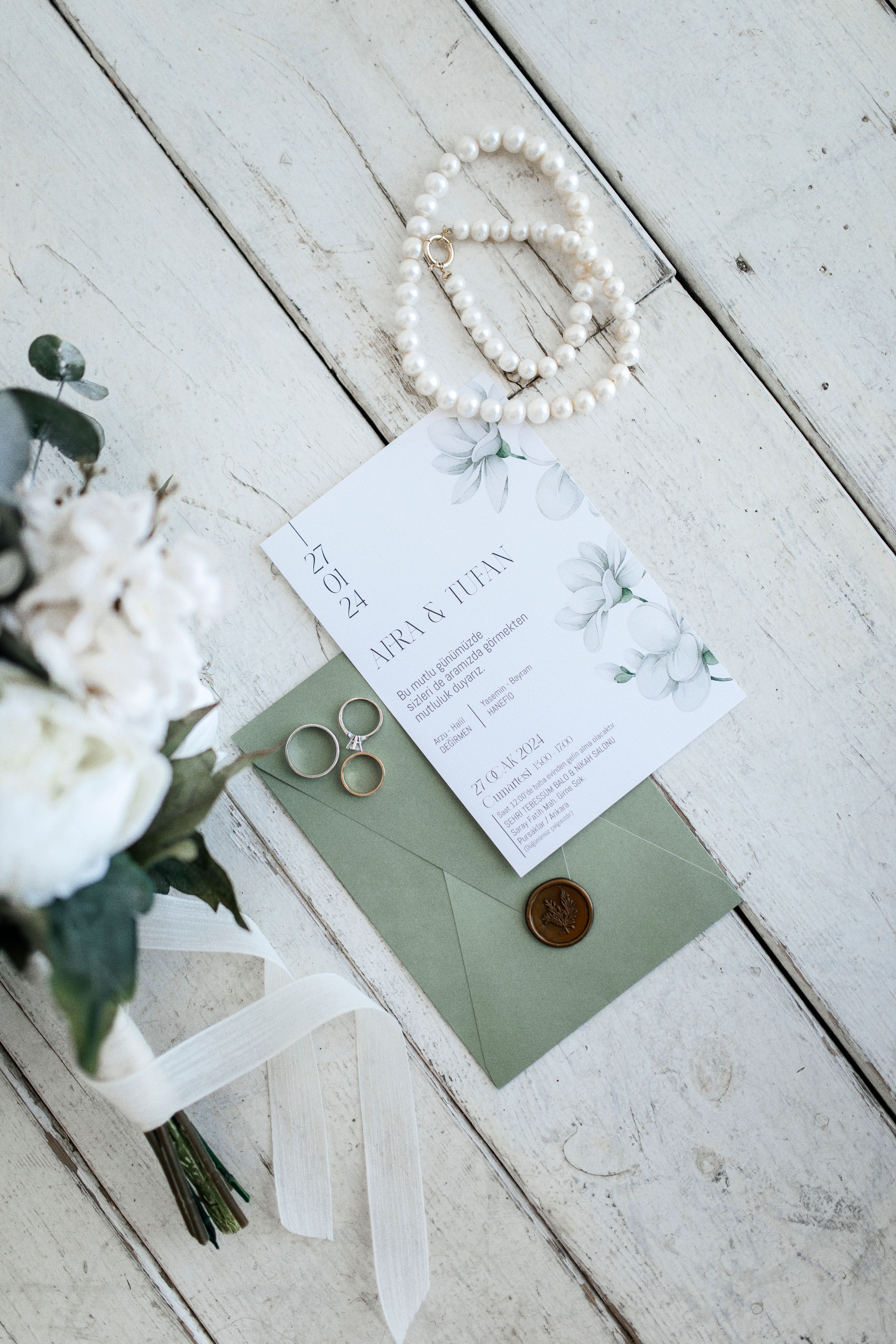
One strong floral installation, candlelit tables, and a room with existing character can feel more intentional than small decorations on every available surface. Move ceremony arrangements to the reception and let the venue do some of the visual work.
Choose one repeated design language—color, texture, flower, or typeface—rather than buying a different idea for every sign and table. Editing creates polish.
06
Trim the quiet budget leaks
Individual upgrades rarely feel dramatic: premium envelopes, extra signage, elaborate favors, custom napkins, rush shipping, second outfits, late additions, and rentals ordered without a final floor plan. Together, they can crowd out a priority.
Keep one shared budget that includes tax, tips, delivery, alterations, postage, and service fees. Review it before every new purchase, not after.
07
Be honest about what you want from video
If a cinematic film is one of your top priorities, spend the money on the videographer you love. If you mostly want the voices, funny moments, and a record of the weekend, you have cheaper options.
Our kits start at $750 because your guests film and we handle the camera, shipping, instructions, and edit. That works really well for couples who care more about the people in the footage than perfect camera moves.
08
Do not save money by annoying your guests
Nobody knows what the linens cost. People do notice if there is no water, not enough food, a two-hour gap, or no clue how they are getting home.
Cut decorations, favors, upgrades, and random extras first. A simple wedding that runs well feels much better than an expensive-looking one where everyone is hungry.