01
1. A guest-filmed camera kit
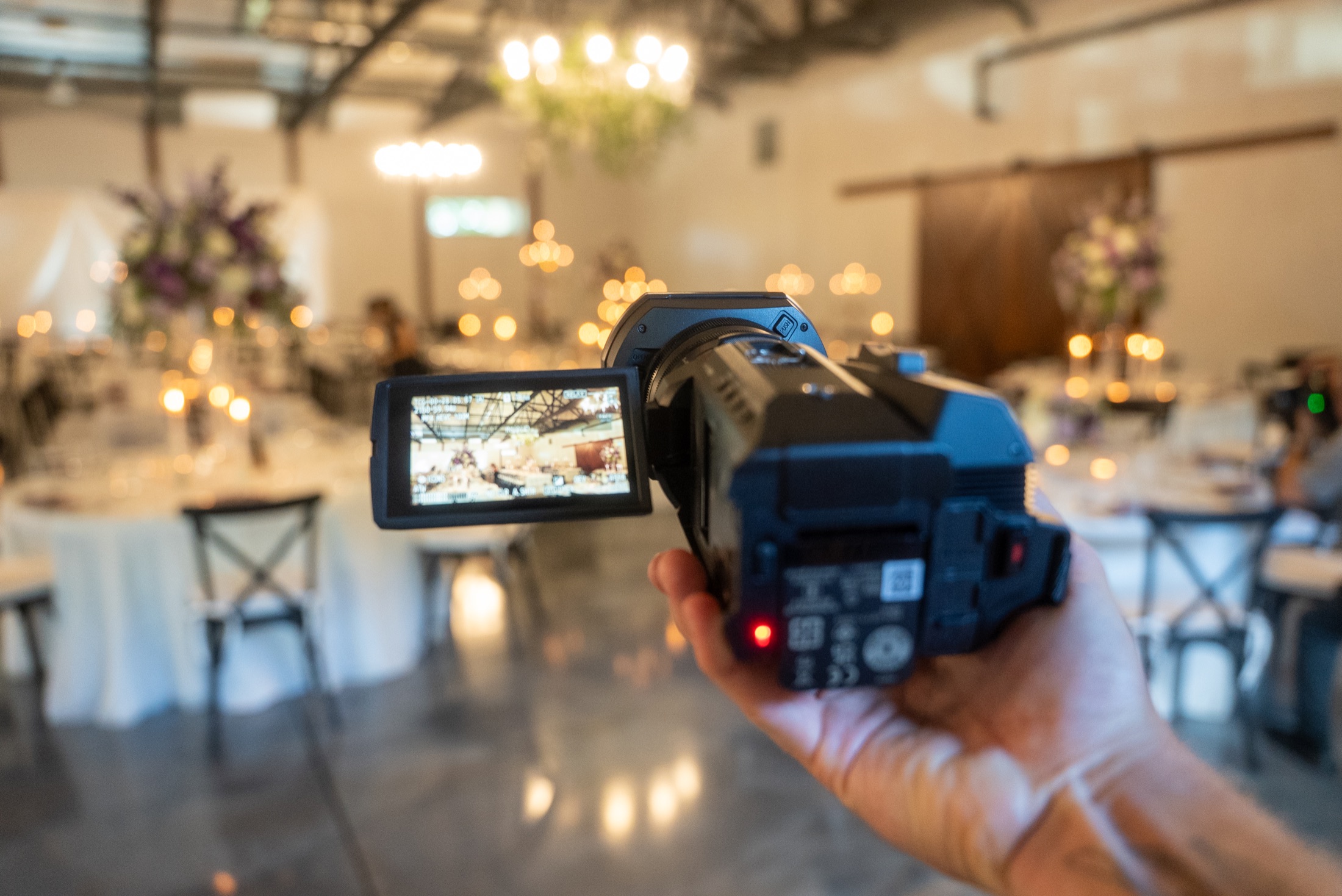
A ready-to-use camera is passed between one or two trusted people, returned after the wedding, and edited professionally. It can capture several days without adding an on-site vendor or hourly coverage limit.
Best for: candid personalities, wedding weekends, and couples who value the feeling of the day. Tradeoff: image and audio will be less controlled than a professional crew. Happily Captured packages range from $750 to $1,250.
02
2. Ceremony-only professional coverage
Some filmmakers offer a limited package that records the ceremony with one or more locked-off cameras and clean audio. This protects the words that cannot be recreated while keeping on-site hours low.
Best for: couples who care most about vows. Tradeoff: you may receive little or no getting-ready, portrait, cocktail-hour, or reception story.
03
3. A wedding content creator
A content creator typically captures vertical phone footage, behind-the-scenes moments, and social-ready clips. Delivery is often fast, sometimes within a day or two.
Best for: couples who prioritize Reels, TikTok, and quick sharing. Tradeoff: raw clips and short edits are not the same as a cohesive long-form wedding film.
04
4. A talented student or emerging filmmaker
A film student or newer wedding filmmaker may offer longer coverage while building a portfolio. Review complete wedding films—not only a highlight reel—and ask how they protect audio and footage if equipment fails.
Best for: couples comfortable taking a chance on developing talent. Tradeoff: wedding-day experience, consistency, contracts, and backup systems can vary dramatically.
05
5. An audio-first wedding keepsake
Record vows and speeches cleanly, then pair that audio with photographs and phone clips in a slideshow or short edit. An audio guestbook can add voices from the people in the room.
Best for: preserving words and voices. Tradeoff: you will not have continuous moving coverage of the day.
06
6. A shared phone-footage collection
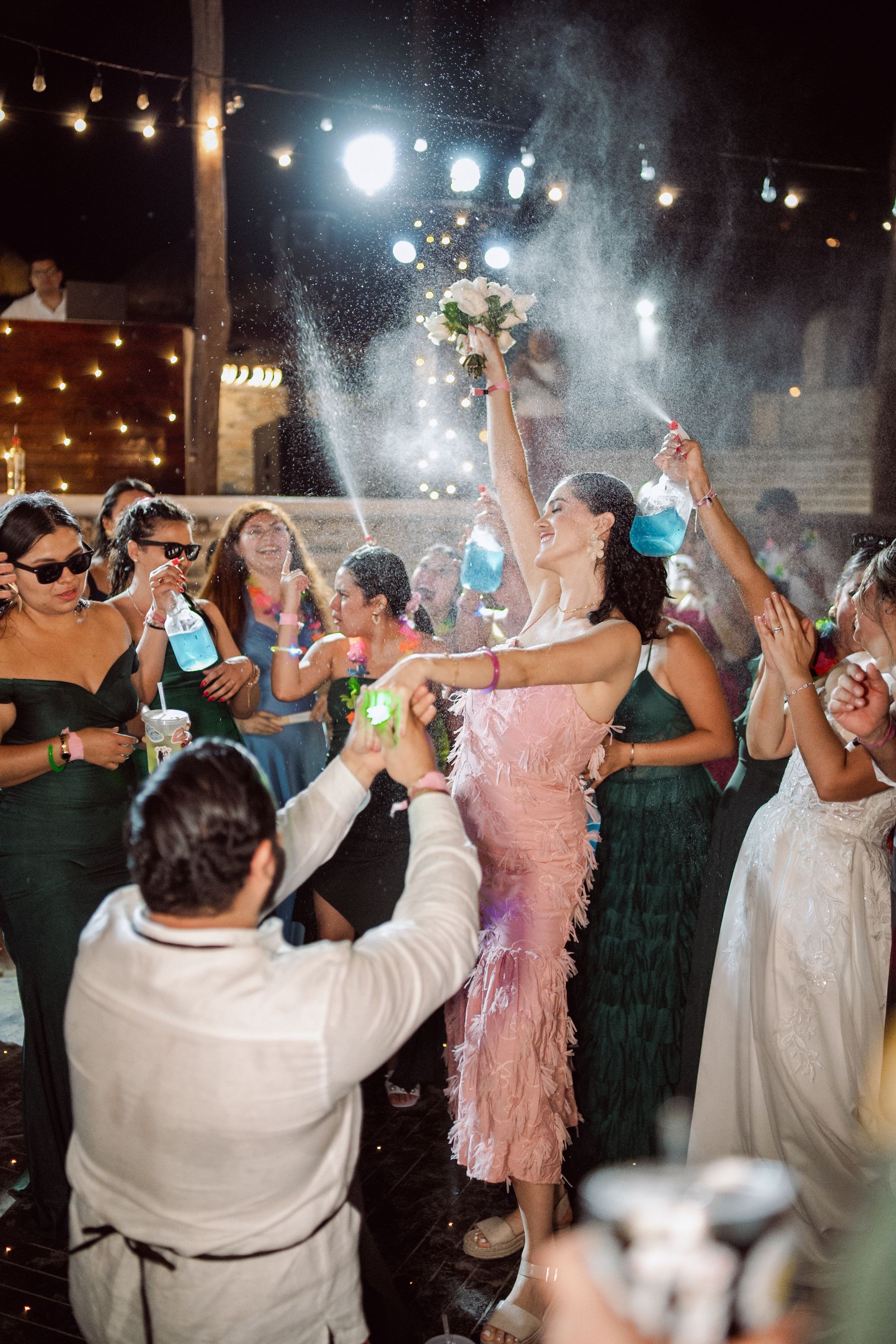
Use a shared album or upload link and invite guests to contribute their photos and clips. Assigning a few specific people works better than relying on a general request to everyone.
Best for: the smallest possible budget. Tradeoff: phone orientation, quality, audio, and organization will be inconsistent, and someone still needs to turn hundreds of fragments into something watchable.
07
7. Shorter traditional coverage
Ask established videographers about weekday, off-season, elopement, or four-hour packages. Strategic coverage can preserve a first look, ceremony, portraits, and early reception without paying for a full twelve-hour day.
Best for: couples who want professional quality more than complete-day coverage. Tradeoff: the timeline must be tight, and later reception moments may happen after the filmmaker leaves.
08
Figure out what you would hate to miss
The Knot reports that 37% of couples hire a videographer and that the 2026 national average is $2,300. Spending less usually means giving up some hours, polish, coverage, or all three.
So pick your non-negotiable. Is it the exact words? A really beautiful film? Your friends being themselves? The dance floor? The entire weekend? Book the option that protects that thing.
Cost reference: The Knot’s 2026 wedding videographer cost data.